

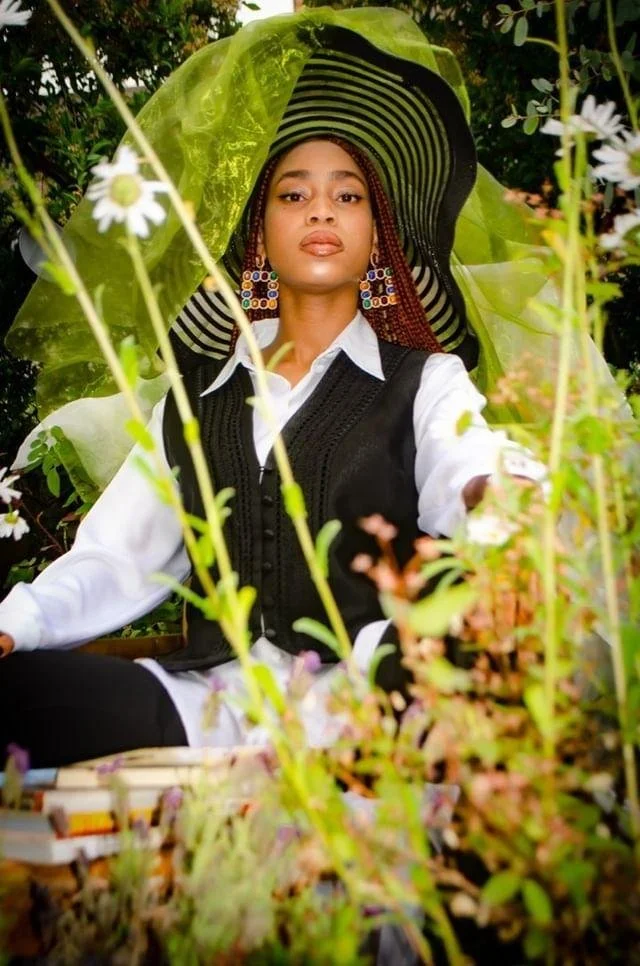
The Pre-Raphaelites paintings clearly, set out to provide European expression of beauty and European personas of women and unintentionally discriminate between dark and brown-skinned women.
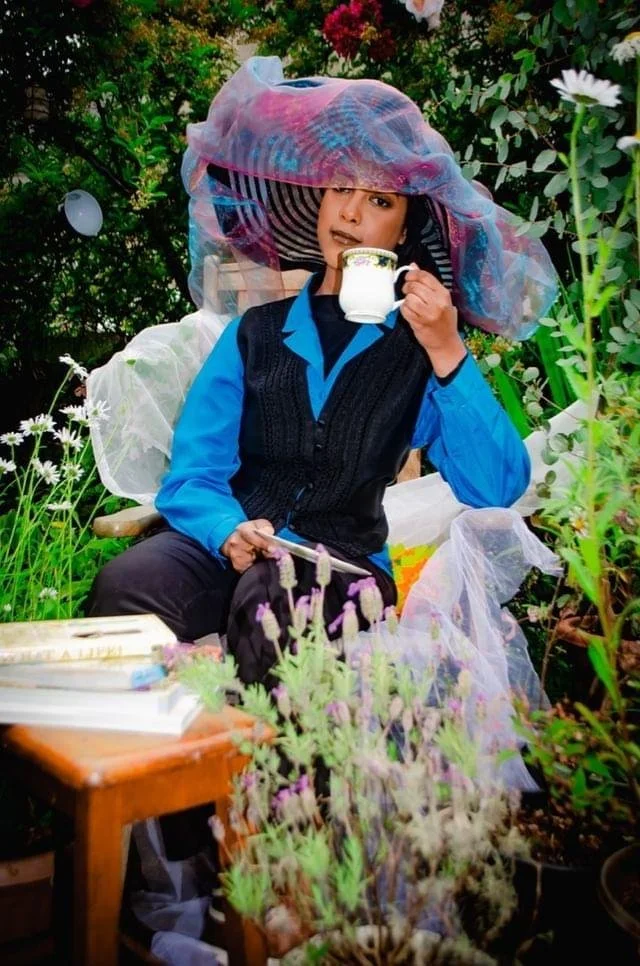
After I Met Raphael
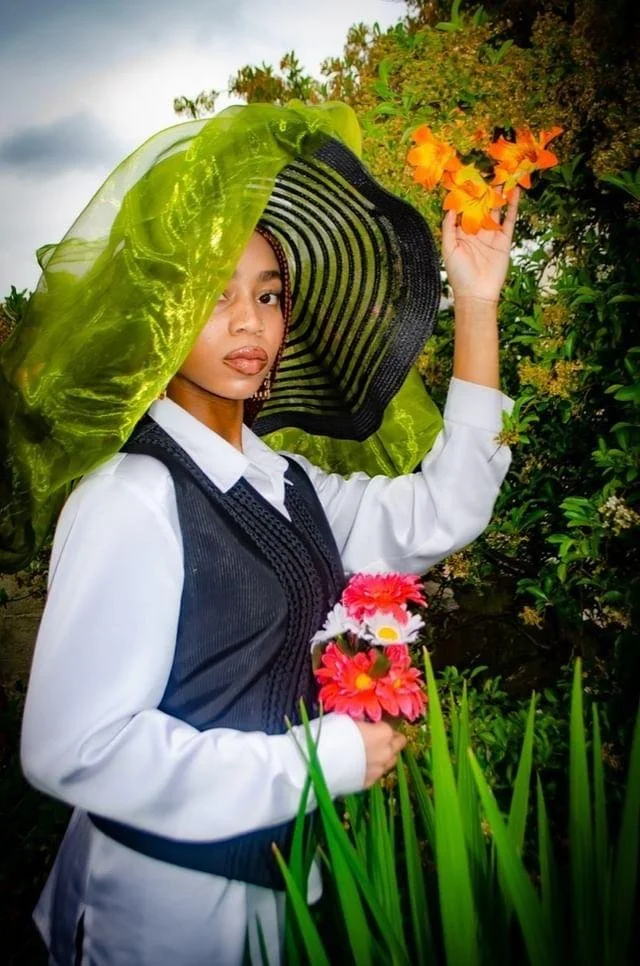
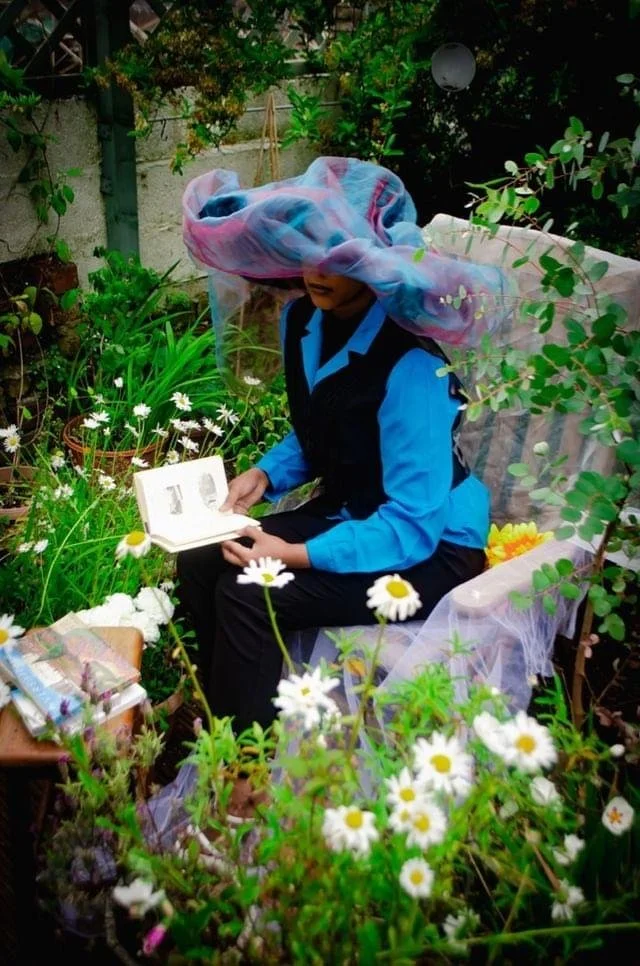
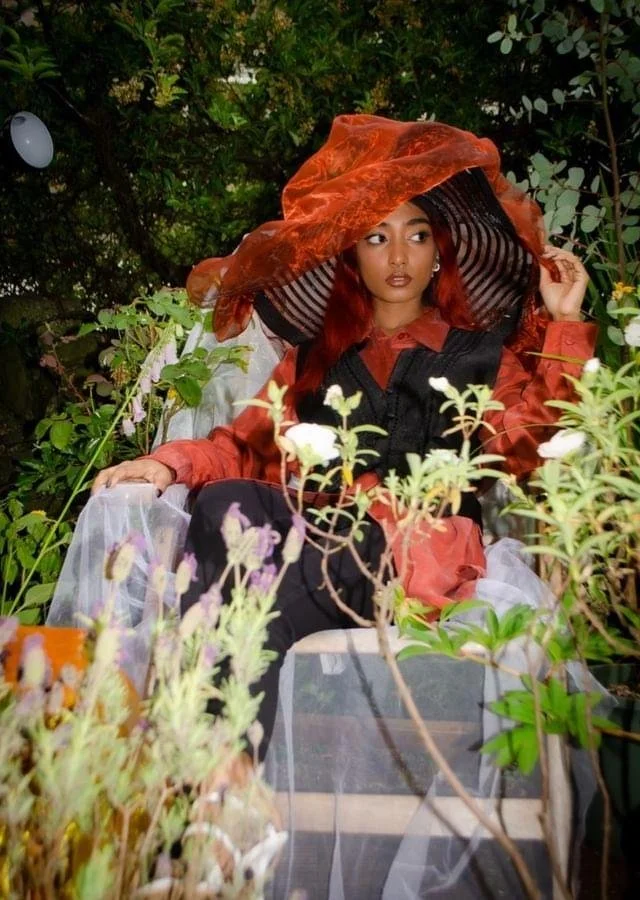
A modern Victorian story challenging the beauty standards of the 19th century
I feel very privileged to work with so many women daily and share their life experiences as a woman of colour living in the UK. As a black woman, I have experienced firsthand the lack of representation in the fashion & beauty industry and how important these conversations are so we can change the narrative. Listening to all these women talk about race, identity and representation on set helped me understand the complexities and insecurities we all have to deal with and how such issues affect our daily lives. Have come to realise that we Black women are not the only ones lacking representation other groups of women suffer as well. Many dark skin Asian women share the same struggle and feel unrepresented in the beauty and fashion industry due to their darker skin complexion. Discrimination is very much alive towards darker-skinned women and such issues have deeper roots in the way women have been represented in art through the ages. A trip back to the 19th century tells us how the history of arts help shaped and influenced female beauty ideals.
To the Pre-Raphaelites and their followers who idealised and promoted various shapes and sizes of women through their paintings. These paintings strictly demonstrated and promoted caucasian women and shaped what we recognise today as the Pre-Raphaelite Stunner and there is a clear reason for this. The Pre-Raphaelite woman had pale skin, sunken eyes, and a rosy-red lip, which is indicative of European Aesthetics. The Pre-Raphaelites paintings clearly, set out to provide European expression of beauty and European personas of women and unintentionally discriminate between dark and brown-skinned women. Furthermore, the Pre-Raphaelites Brotherhood changed the way the world sees women but like every other era of art movements, the black woman was excluded from such beauty ideals. Even though such movements challenge the narrative of their time they were still very influenced by the notion and ideals of European beauty standards.
The movement inspired realism in art and the way women should be portrayed, Rossetti painted women who had “very strong jaws and features, women who dominated their surroundings and commanded attention. Sadly not everyone shared his views of beauty as he painted women that weren't deemed beautiful and many critics found his painting distasteful. “His contemporaries saw Rossetti’s women as ‘powerfully haunting, tall, dominant, impassive and quite merciless’ and criticized him for this.” B. Jargalsaikhan. On the other hand, Rossetti painted real-life women, strong and confident in a time when Victorian Britain still viewed women as scarcely more responsible than children with any rights to anything. Rossetti and his muses pioneered and helped shaped the notion of a more diverse and inclusive beauty ideal that many resonate with today.
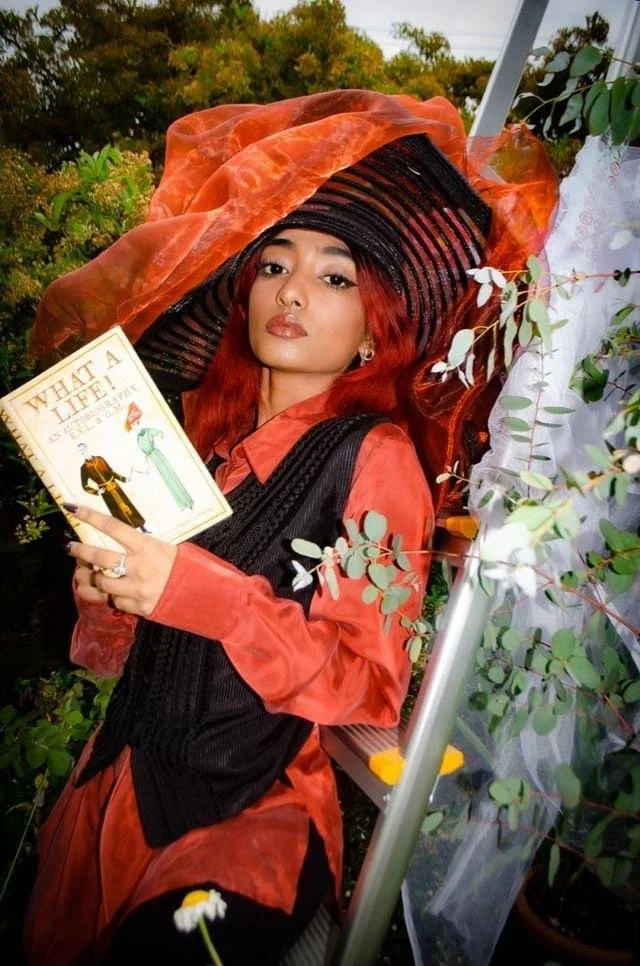
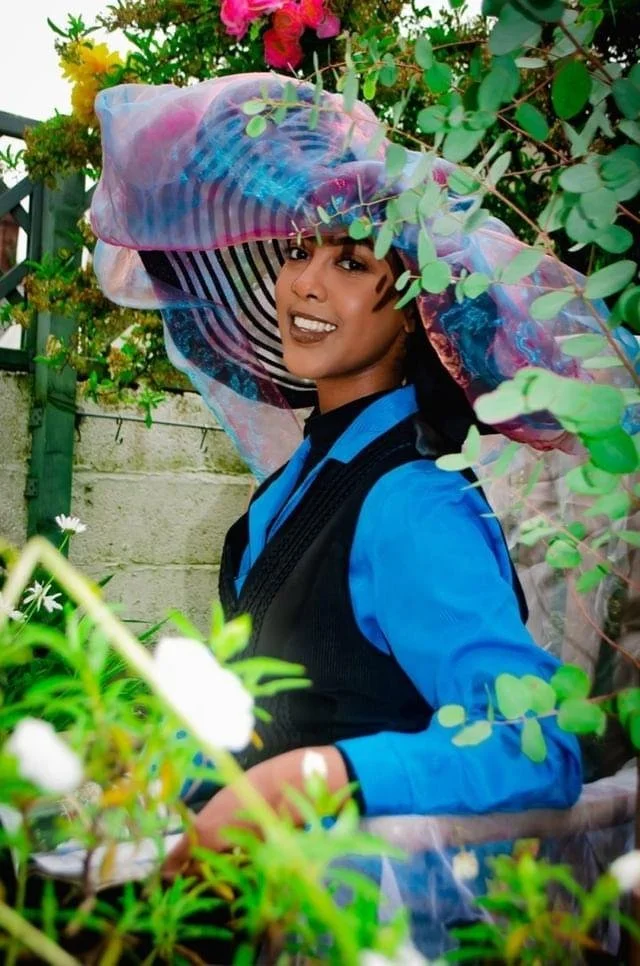
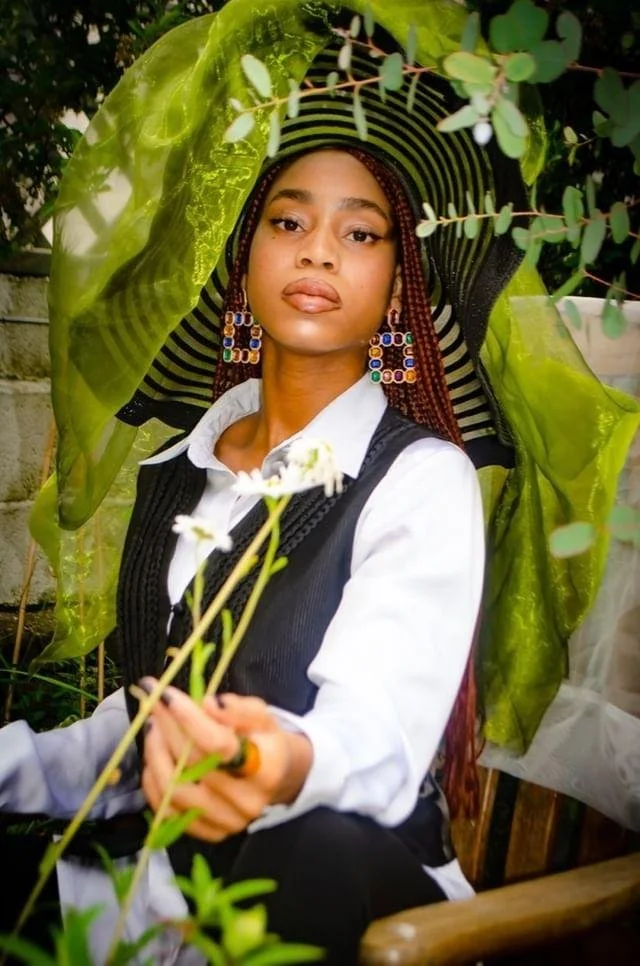
Today I will like to invite all of us to resist the narrow definition of beauty ideals society opposes, so have created this contemporary photograph inspired by Pre-Raphaelite art to represent the women we should have seen more often taking space in art exhibitions, museums and galleries. The women that weren't represented, the women that weren't celebrated and the women left aside because of their features and skin complexion. It takes women of all types to make up our world like flowers in a garden. Each one is uniquely beautiful on its own yet they all come together and form a bouquet. I will like to dedicate this body of work to all my fellow women who had to stand up for themselves. Who had to set our beauty standards and who is not afraid to be seen.
Article written and edited by Sharon Kostini//Photography & Editor: by @kostinistyle
//Stylist & Creative Director: @mimvisuals
//Models & MUA: @sachinidissa @hdaesina @rabaa_abbo